Analytics Powering Customized Player Incentives Across Digital Entertainment Platforms
Devon Hartmann · Jun 12, 2026
Analytics Powering Customized Player Incentives Across Digital Entertainment Platforms
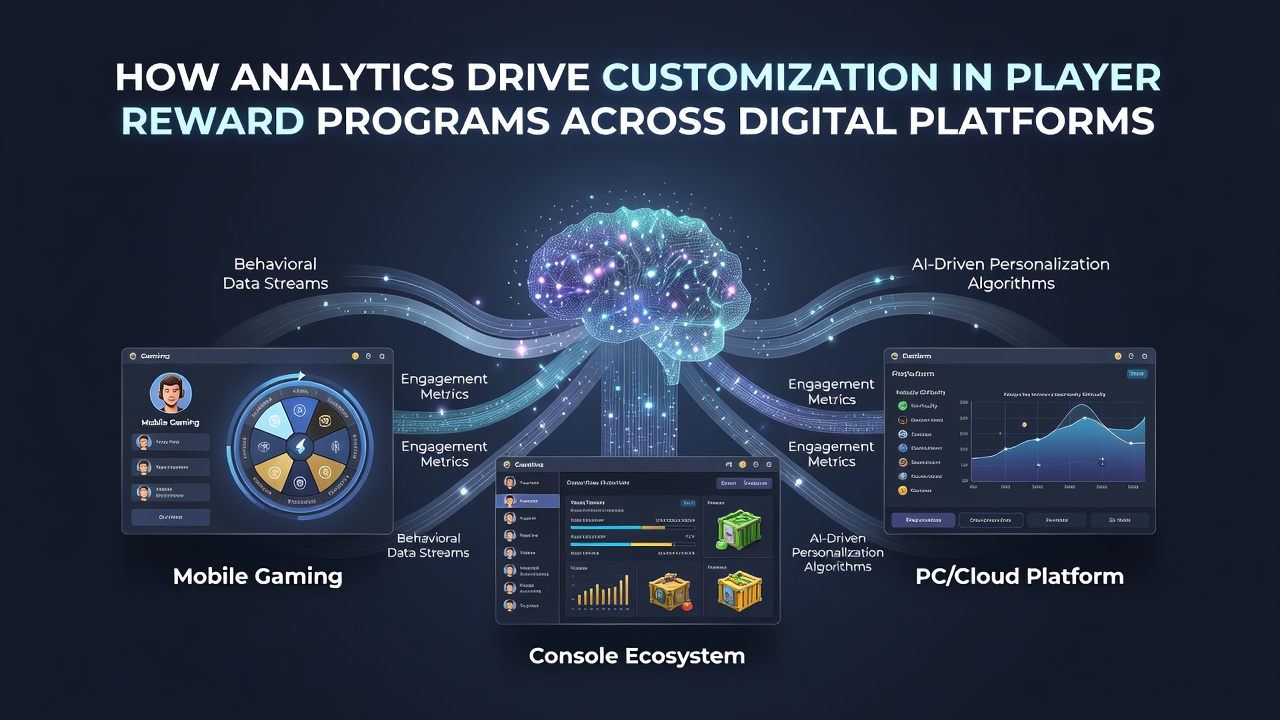
Digital platforms have integrated analytics into reward programs for years, yet the depth of personalization reached new levels once machine learning models began processing real-time behavioral data at scale. Operators collect details on session duration, game preferences, deposit patterns, and interaction frequency, then feed these inputs into algorithms that adjust reward tiers automatically. Research from industry bodies shows that such systems increased player retention rates by measurable margins across multiple jurisdictions during 2025.
Data Collection Methods Fueling Reward Adjustments
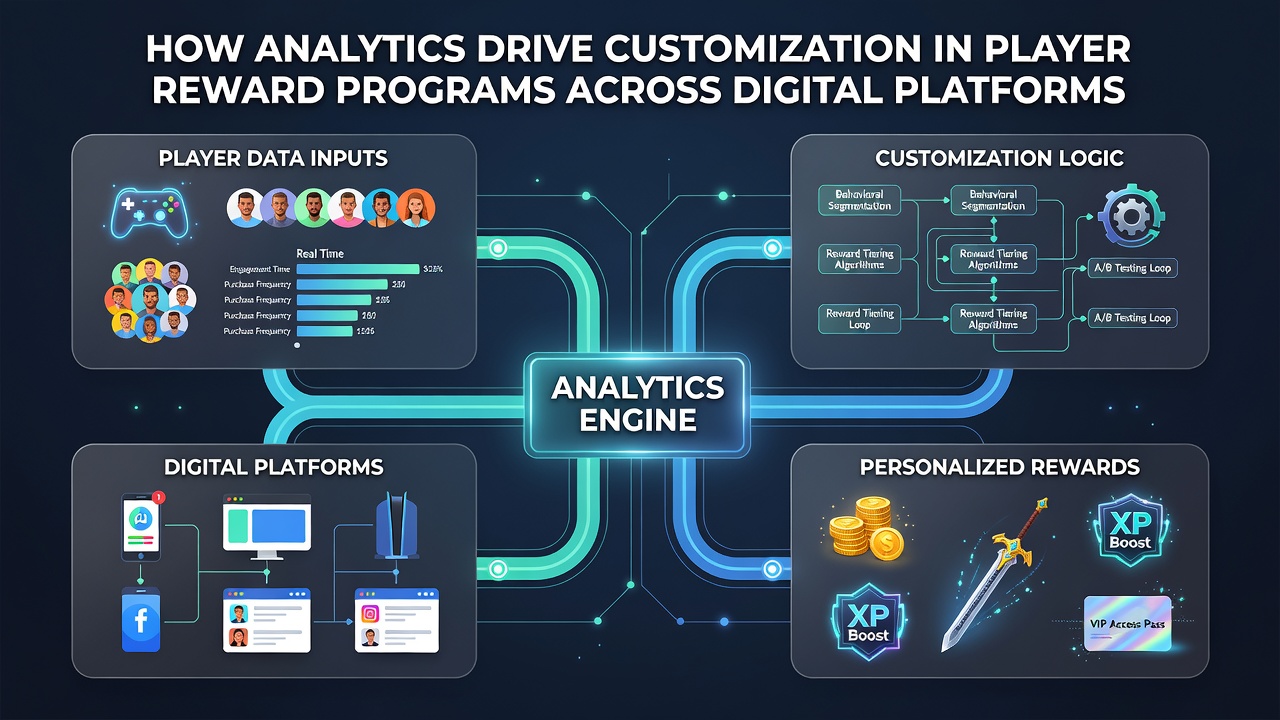
Platforms gather information through account registrations, gameplay logs, and device identifiers while complying with data protection regulations enforced by bodies such as the Nevada Gaming Control Board. Advanced tracking captures not only win-loss ratios but also time spent on specific titles and response rates to promotional notifications. Analysts combine these variables to segment users into cohorts that receive differentiated offers, ranging from free spins to cashback percentages calibrated to individual risk profiles.
Studies conducted by the Alcohol and Gaming Commission of Ontario revealed that platforms employing multi-variable segmentation delivered reward redemptions 23 percent higher than those relying on static bonus structures. The same reports noted that June 2026 updates to provincial data-sharing protocols further refined how operators cross-reference transaction histories with loyalty metrics without violating privacy thresholds.
Algorithmic Customization in Practice
Once data enters the system, clustering techniques identify patterns that static programs overlook. One algorithm might detect a player who favors high-volatility slots during evening hours and respond by unlocking tiered loyalty points that accelerate faster on those specific machines. Another model tracks deposit timing and adjusts bonus wagering requirements accordingly, ensuring offers align with observed spending cycles rather than generic schedules.
Observers note that these adjustments occur within seconds of new data arrival, creating a feedback loop where reward relevance improves with every interaction. Platforms in Australia and several EU member states adopted similar frameworks after regulatory guidance emphasized transparency in how algorithms determine eligibility for personalized incentives.
Regional Examples of Analytics-Driven Programs
North American operators have documented shifts toward dynamic loyalty structures that respond to cross-platform activity, such as mobile and desktop sessions combined. European platforms meanwhile integrated geo-location data with play history to offer region-specific rewards that comply with local licensing conditions. In both cases, the core mechanism remains the same: continuous model retraining based on aggregate anonymized datasets.
Academic researchers at institutions tracking digital entertainment trends published findings in early 2026 that linked granular analytics use to reduced player churn across sampled platforms. Those findings also highlighted how reward customization helped smaller operators compete with larger networks by targeting niche player segments more precisely.
Challenges and Regulatory Responses
Despite clear operational advantages, platforms encounter hurdles when scaling analytics across borders. Differing data residency rules require separate processing pipelines, while players occasionally question how their activity translates into specific offers. Regulatory agencies in multiple regions responded by mandating disclosure of the primary data points used for reward decisions, a requirement that took fuller effect following the June 2026 compliance reviews.
Industry associations have since published voluntary standards encouraging operators to maintain audit trails for algorithmic decisions. These standards aim to balance commercial interests with player expectations around fairness and predictability in reward distribution.
Future Trajectory of Data-Led Incentives
Emerging techniques such as reinforcement learning promise even tighter alignment between player behavior and reward delivery. Early tests indicate that models trained on multi-year datasets can predict optimal reward timing with higher accuracy than previous rule-based systems. Platforms that adopt these methods continue to report incremental gains in engagement metrics, though results vary by market maturity and regulatory environment.
Conclusion
Analytics have become the central mechanism through which digital platforms customize player rewards, transforming static loyalty schemes into responsive systems that reflect individual patterns. Data from regulatory reports and academic studies confirm measurable impacts on retention and redemption rates. As models grow more sophisticated and compliance frameworks evolve, the integration of analytics into reward programs will likely deepen, provided operators maintain transparency and adhere to regional data governance standards.