Casino Trends Point to Innovative Blends of Virtual and Physical Gaming Elements in Promotional Events
Zoe Flores · Jun 26, 2026
Casino Trends Point to Innovative Blends of Virtual and Physical Gaming Elements in Promotional Events
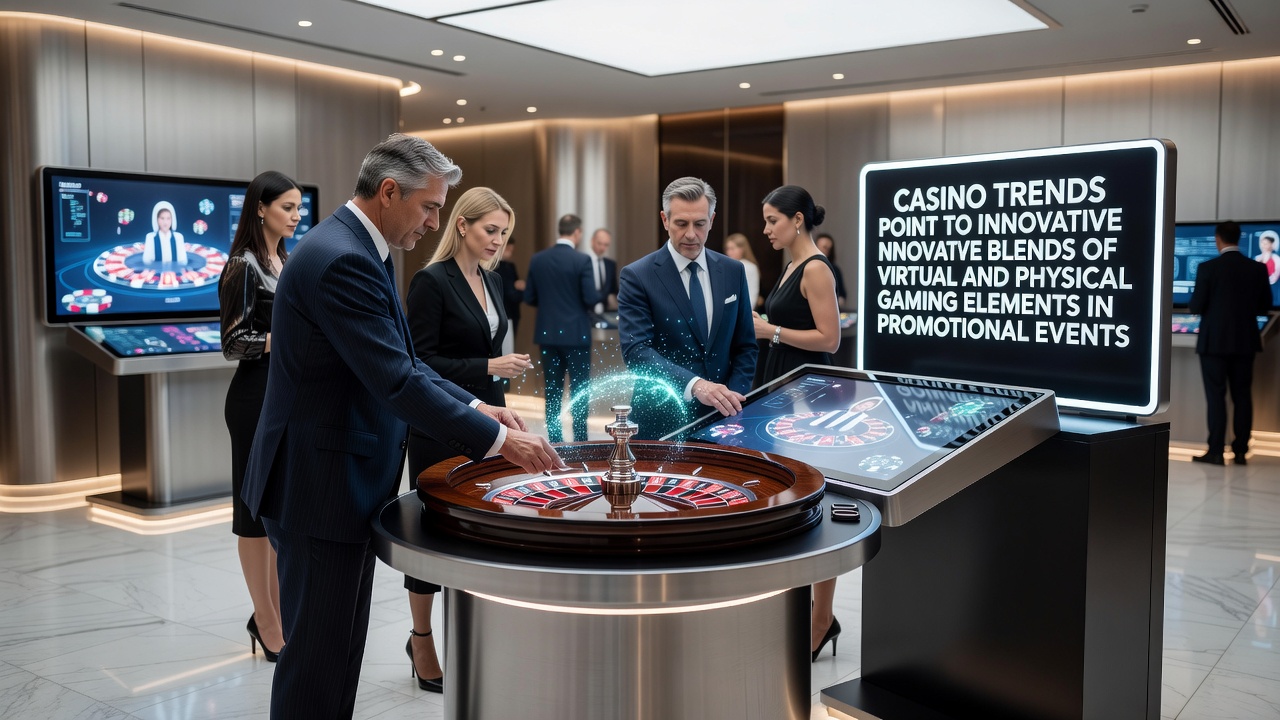
Industry reports from mid-2026 highlight how casino operators integrate virtual reality simulations alongside physical table games during promotional events and observers note these combinations create layered experiences that draw larger crowds while data from regulatory filings shows increased attendance metrics at properties adopting such formats. June 2026 saw several major venues in Nevada and Atlantic City launch hybrid campaigns where guests accessed augmented overlays on live roulette wheels through provided devices and these initiatives coincided with seasonal tourism peaks that amplified participation numbers across multiple properties.
Regulatory Data and Attendance Patterns
Nevada Gaming Control Board statistics released in early June 2026 indicate hybrid promotional formats generated measurable upticks in foot traffic compared to traditional events and analysts attribute part of this growth to the appeal of synchronized virtual elements that extend gameplay beyond standard physical limits. Similar patterns emerged in Canadian provinces where provincial oversight bodies tracked comparable shifts toward blended promotions that merge digital interfaces with on-site dealer interactions and these trends reflect broader adoption rates across North American markets.
Technological Integration Examples
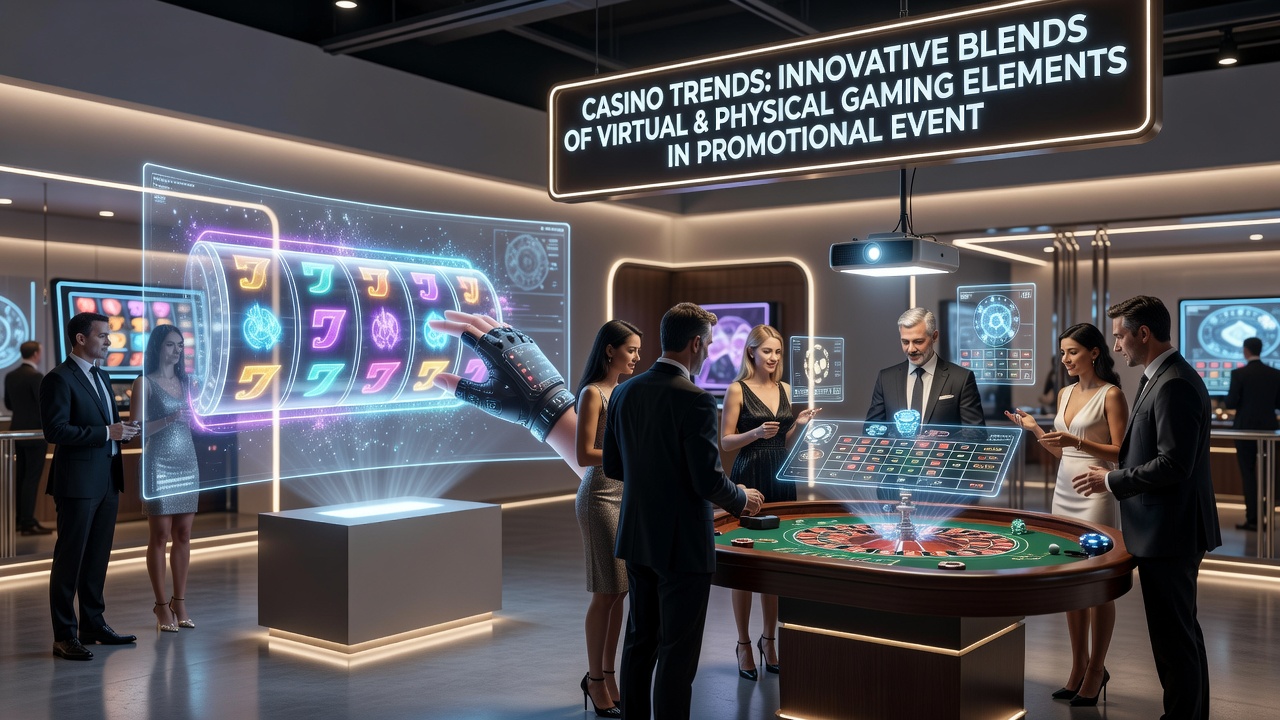
Operators have deployed motion-tracked projectors that overlay virtual multipliers onto physical blackjack tables during limited-time promotions and participants receive real-time data feeds that adjust based on collective play patterns while maintaining the tactile feedback of card handling and chip movement. One documented case at a Las Vegas property involved wristband sensors that synced guest movements with virtual tournament brackets projected above the gaming floor and this setup allowed simultaneous physical and digital scoring systems to run in parallel throughout the event duration.
What's notable here involves the way these systems reduce downtime between rounds by routing virtual side bets through mobile apps that connect directly to the physical table hardware and such connectivity relies on secure APIs that comply with jurisdiction-specific encryption standards. Research from academic institutions like the University of Nevada Reno's gaming studies department has documented how these blends influence player retention metrics over multi-hour sessions and findings point to extended engagement periods when virtual elements provide immediate visual feedback layered onto real-world actions.
Global Variations in Promotional Approaches
European markets under the Malta Gaming Authority framework have tested similar fusions where physical slot banks incorporate holographic displays that trigger virtual bonus rounds accessible only during on-site visits and these activations tie into loyalty programs that reward combined participation across both formats. Australian regulatory summaries from state gaming commissions reveal parallel developments in promotional tournaments that blend live dealer streams with virtual reality spectator modes allowing remote viewers to influence in-house prize pools through synchronized voting mechanics.
Industry organizations such as the American Gaming Association have compiled case studies showing how these hybrid events streamline marketing budgets by consolidating physical logistics with digital distribution channels and the resulting data sets help operators refine targeting for future campaigns. Those who've examined the June 2026 rollout schedules across multiple jurisdictions observe that venues prioritizing seamless transitions between virtual and physical components report higher repeat visitation rates in post-event surveys conducted by independent research firms.
Security and Compliance Considerations
Security protocols for these blended systems emphasize end-to-end encryption for data streams linking physical hardware to virtual interfaces and compliance audits verify that all promotional outcomes remain verifiable through both digital ledgers and traditional surveillance feeds. Operators coordinate with third-party certification labs to ensure virtual elements do not alter the randomness parameters of underlying physical games and this dual-layer verification process has become standard in regions where gaming control boards mandate periodic technology assessments.
Future Event Planning Insights
Planning documents from major casino groups indicate continued investment in modular hardware that supports rapid reconfiguration of virtual overlays for different promotional themes and these investments align with seasonal calendars that peak around major sporting events or holiday periods. Data aggregation platforms now aggregate attendance figures alongside virtual engagement logs to produce unified performance reports that inform subsequent event designs across properties in various regions.
Conclusion
Current trajectories in casino promotions demonstrate consistent movement toward integrated virtual and physical components that expand traditional event boundaries while adhering to established regulatory frameworks. Attendance figures, technological implementations, and compliance measures from diverse jurisdictions collectively illustrate how operators leverage these blends to sustain engagement across evolving guest preferences through 2026 and beyond.