Data Analytics Fueling Engagement Changes Across Gaming Platforms
Finley Fischer · May 22, 2026
Data Analytics Fueling Engagement Changes Across Gaming Platforms
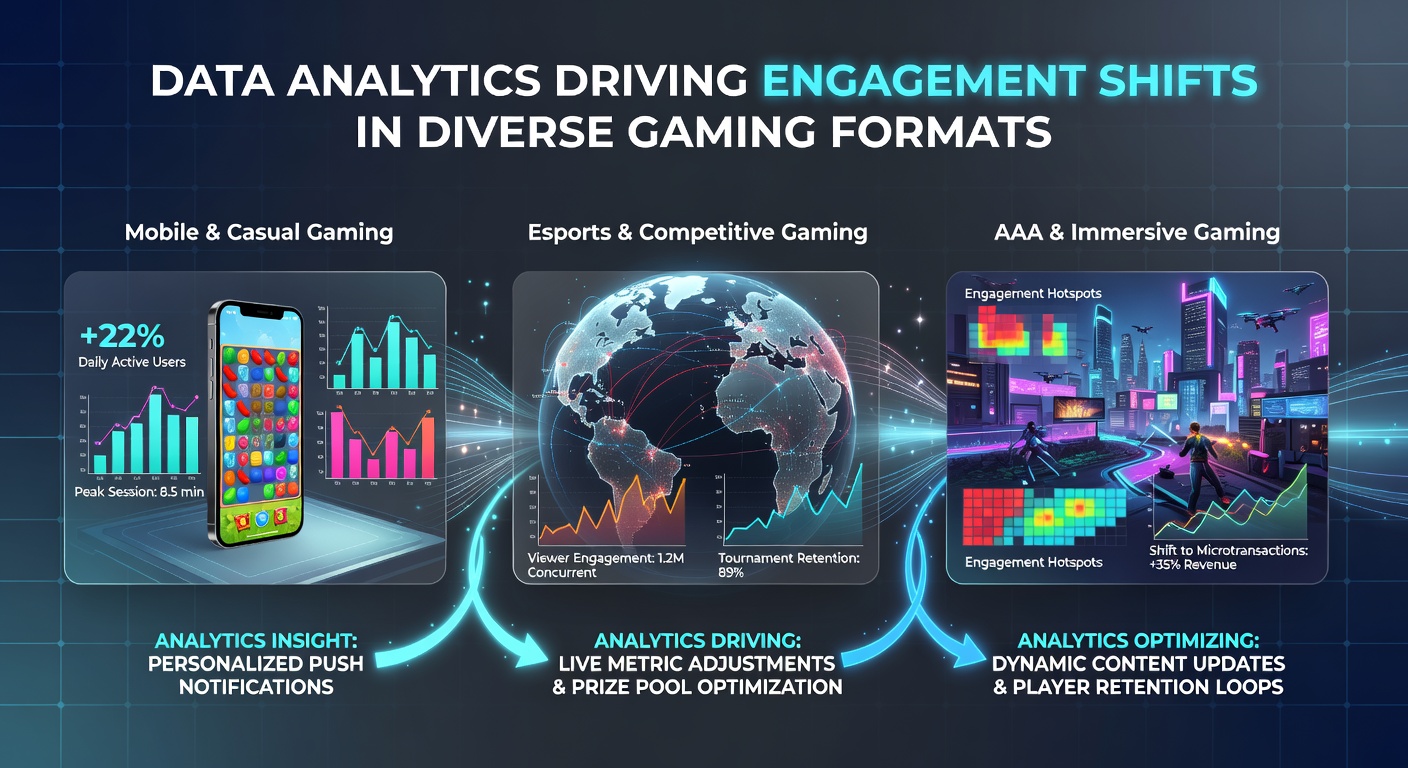
Observers note that data analytics now plays a central role in how gaming operators track and adjust player interactions across multiple formats, from traditional slot machines to interactive live dealer experiences and competitive esports titles. Research from industry reports shows that operators collect vast amounts of behavioral data, including session lengths, bet sizes, and game preferences, then apply algorithms to predict retention rates and customize offerings in real time.
Studies conducted by academic institutions reveal that these analytical methods allow platforms to shift engagement strategies dynamically, especially as regulatory environments evolve in different regions. For instance, figures from North American gaming commissions indicate rising adoption of analytics software since 2023, with companies integrating machine learning models to segment audiences based on play patterns rather than demographics alone.
Tracking Behavioral Patterns in Traditional and Digital Formats
Those who analyze casino floors and online portals find that data sets from reel-based games often highlight peaks during evening hours, prompting operators to adjust jackpot frequencies or introduce limited-time multipliers. In contrast, digital formats such as mobile social slots show engagement spikes tied to social features like leaderboards and shared achievements, according to aggregated data from multiple platform providers.
Yet the same tools extend into live casino environments, where real-time dashboards monitor chat interactions and betting velocity to flag moments when players might disengage. Researchers at various universities have documented how these insights lead to targeted notifications that encourage continued play without disrupting the flow of a session.
Regional Variations and May 2026 Developments
What's interesting emerges when examining differences across jurisdictions, because data practices must align with local privacy rules and licensing requirements. In Canada, provincial regulators have published summaries showing increased use of anonymized player data to support responsible gaming initiatives, while Australian authorities report similar trends through their oversight of digital wagering systems.
By May 2026, several major operators plan to roll out enhanced analytics dashboards that incorporate cross-format comparisons, allowing seamless transitions between virtual sports betting and classic table games on unified accounts. Evidence from preliminary industry briefings suggests these updates will rely on unified data lakes that merge information from land-based venues with online activity logs.
Case Examples from Industry Implementations
Take one large regional casino group that partnered with analytics firms to review three years of transaction records, and the review uncovered distinct clusters of players who preferred high-volatility slots during weekends. The group then introduced personalized game recommendations that boosted repeat visits, as later verified through internal performance metrics shared with regulatory bodies.
Another instance involves an esports platform that applied predictive models to tournament participation data, identifying users likely to drop off after initial matches. Adjustments to matchmaking algorithms and reward structures followed, with subsequent reports confirming higher completion rates across events held in European markets.

Privacy Considerations and Regulatory Responses
Although data collection expands, oversight agencies emphasize consent mechanisms and data minimization principles. Reports issued by bodies such as the Nevada Gaming Control Board detail audit procedures that verify how operators store and access sensitive information while still enabling the personalization that drives engagement.
Meanwhile, collaborative efforts between trade associations and technology vendors have produced standardized frameworks for ethical analytics use. These frameworks outline steps for bias detection in algorithms and regular third-party reviews, ensuring that engagement shifts do not disproportionately affect any player segment.
Future Trajectories Based on Current Trends
Data indicates that integration of artificial intelligence will accelerate further, with models that simulate entire player journeys across formats before any changes go live. Such simulations allow testing of new mechanics in virtual environments first, reducing the risk associated with broad rollouts.
Academic papers published in recent quarters explore the correlation between granular analytics deployment and measurable changes in average session duration, particularly in markets where igaming has gained regulatory approval. Observers tracking these developments note that smaller operators increasingly adopt cloud-based solutions to access similar capabilities once reserved for larger entities.
Conclusion
Overall, data analytics continues to reshape how engagement metrics evolve within diverse gaming formats, supported by expanding datasets and refined modeling techniques. Regulatory updates scheduled around May 2026 will likely reinforce transparency requirements, prompting further refinements in how operators apply these tools. The result appears as continued adaptation across both established and emerging gaming categories, driven by evidence rather than assumption.