Examining Subtle Trends in Slot Release Cycles and Links to Player Retention Shifts
Willa Patterson · Aug 14, 2026
Examining Subtle Trends in Slot Release Cycles and Links to Player Retention Shifts
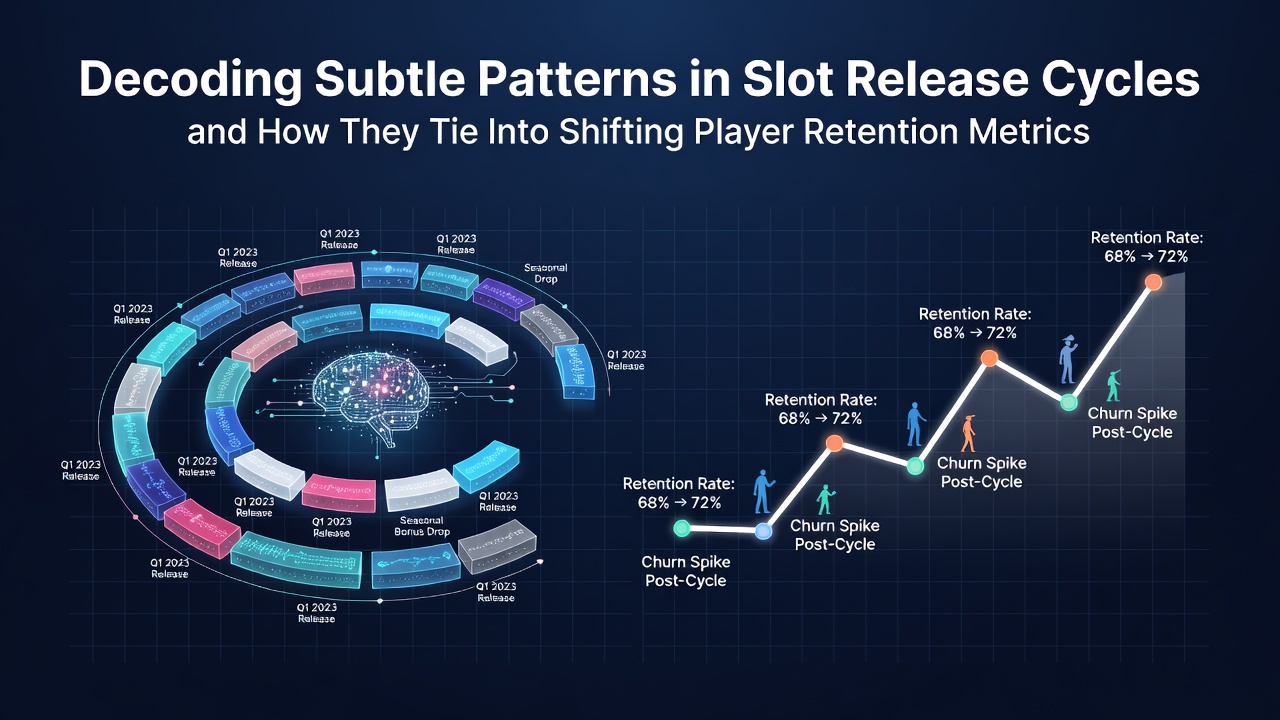
Slot release cycles have drawn increasing attention from analysts who track how timing and frequency of new game launches align with changes in how long players stay engaged with platforms, and data collected across multiple markets shows consistent rhythms that operators monitor closely. In August 2026 several regional reports highlighted a noticeable uptick in staggered releases, where providers spaced out launches every ten to fourteen days rather than clustering multiple titles within a single week, and those intervals coincided with steadier retention curves according to aggregated figures from North American and European operators.
Mapping Release Cadences Across Markets
Operators in the United States have documented release schedules that often follow quarterly planning cycles, with peak activity concentrated in the first and third quarters, while Canadian provincial data reveals a steadier monthly cadence that avoids sharp spikes, and both patterns appear in retention dashboards that measure repeat session rates over thirty-day windows. European providers, by comparison, tend to align launches with seasonal events such as major sports tournaments, creating short bursts of new content followed by longer gaps, and analysts note that these gaps sometimes correspond to measurable dips in daily active users unless older titles receive targeted updates.
Research from the American Gaming Association indicates that platforms releasing between six and eight new slot titles per month maintained higher average session lengths during the first half of 2026 compared with those exceeding ten releases, yet the same report also recorded that excessive frequency occasionally led to fragmented player attention across too many options. Observers tracking these metrics point out that retention improves when releases include clear thematic variety, such as alternating between high-volatility and low-volatility mechanics, because players encounter fresh experiences without the fatigue that accompanies repetitive mechanics.
How Timing Influences Retention Indicators
Retention metrics typically include metrics like day-seven return rates and lifetime session counts, and several industry analyses have identified correlations between release spacing and these numbers. When new slots appear in predictable windows, players appear more likely to schedule their activity around anticipated drops, which can lift the proportion of users returning within a week, whereas irregular timing sometimes flattens that curve as anticipation fades. Data compiled by researchers at the University of Nevada, Las Vegas shows that staggered releases in August 2026 produced a three to five percent lift in thirty-day retention for mid-sized operators who maintained consistent communication about upcoming titles through in-app calendars.
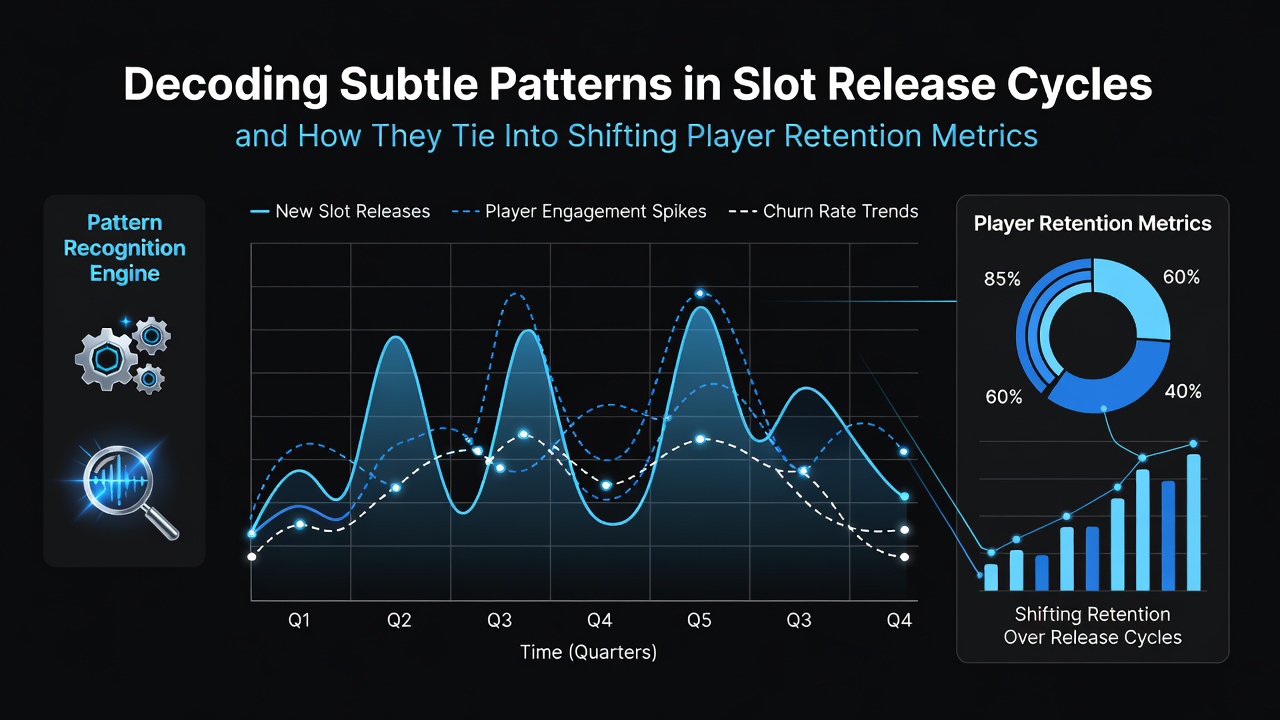
One study released by the European Gaming and Betting Association examined platforms that introduced progressive jackpots alongside standard slots and found that the combined approach extended average player lifespan on the site by roughly twelve percent when the jackpot titles launched two weeks after a cluster of base-game updates. The same analysis noted that simultaneous launches of multiple jackpot games produced shorter engagement spikes that dropped off more quickly once the initial novelty passed.
Regional Variations and Data Patterns
Australian market reports from the same period revealed that release cycles tied to regulatory approval timelines created longer gaps between launches, and operators there compensated by refreshing existing game libraries with new bonus rounds rather than relying solely on brand-new titles. Retention figures in that region remained stable even during slower release months, suggesting that content depth can offset reduced launch frequency when players receive regular updates to familiar games. In contrast, Latin American operators experimenting with weekly drops observed higher short-term acquisition but faced steeper retention declines after the first month unless they paired new releases with loyalty incentives.
Figures from Gaming Laboratories International further illustrate that volatility settings within newly released slots also interact with cycle timing, because high-volatility games released during slower periods retained a smaller but more dedicated segment of players, while low-volatility titles benefited from more frequent launches that kept casual users returning for smaller, steadier wins. Analysts tracking these interactions emphasize that successful operators adjust both release pace and game characteristics in tandem rather than treating them as separate variables.
Conclusion
Patterns in slot release cycles continue to show measurable ties to retention metrics across different jurisdictions, and the data gathered through 2026 underscores how spacing, thematic variety, and volatility choices each contribute to how long players remain active on a platform. Operators who monitor these variables through detailed dashboards gain clearer visibility into which adjustments sustain engagement over successive months, while those who overlook the connections between timing and player behavior risk seeing gradual erosion in return rates even when new content continues to arrive.