Mapping Community Partnerships and Digital Shifts in Gaming Revenue Growth
Devon Reed · May 17, 2026
Mapping Community Partnerships and Digital Shifts in Gaming Revenue Growth
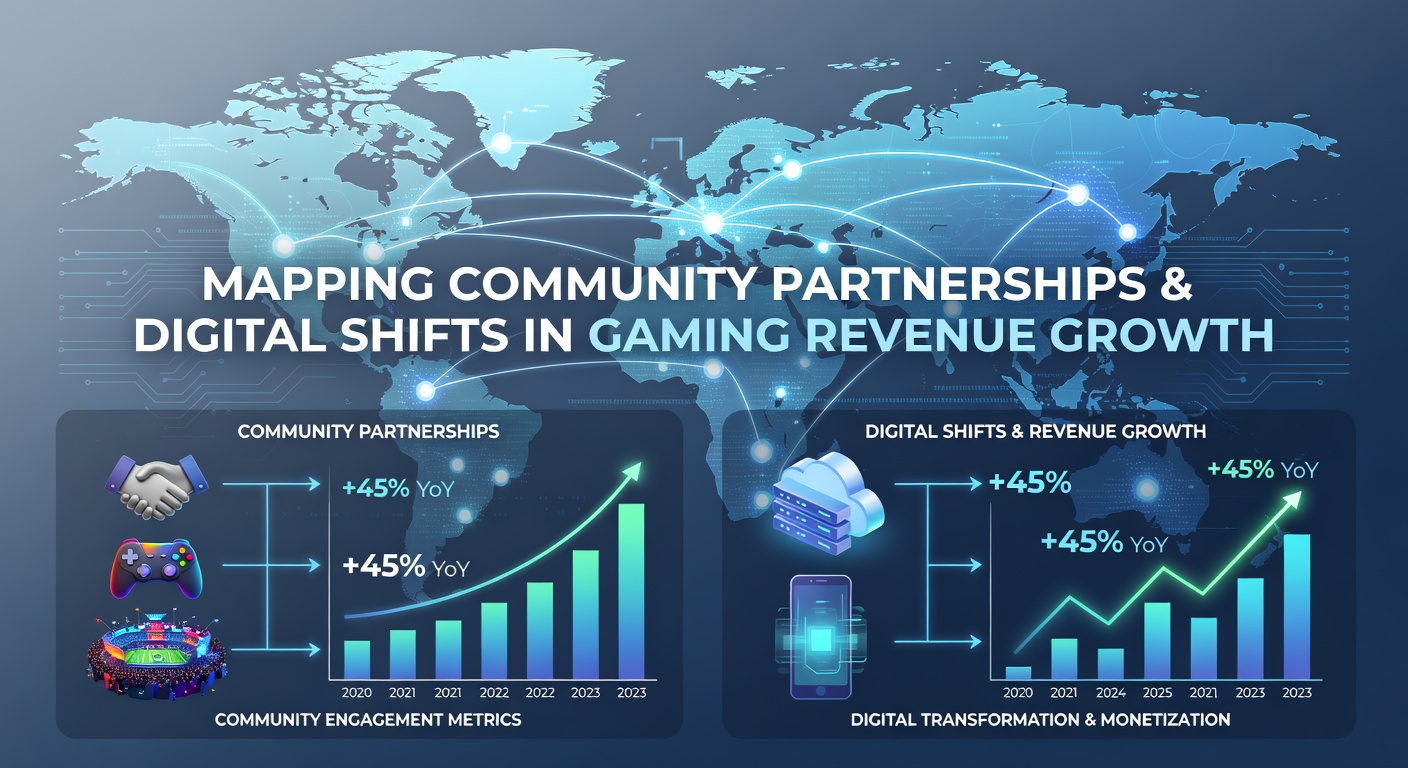
Community partnerships have emerged as key drivers behind revenue expansion in the gaming sector, where operators collaborate with local groups, indigenous nations, and municipal authorities to secure licenses, build infrastructure, and foster economic development, while digital platforms simultaneously reshape how revenue flows through online channels and mobile applications. These collaborations often involve revenue-sharing agreements that allocate portions of gaming income toward community projects such as education programs, health services, and infrastructure improvements, creating mutual benefits that stabilize operations and encourage long-term investment.
Tracking Partnership Models Across Regions
Observers note that partnerships take varied forms depending on jurisdiction, with North American examples frequently featuring tribal gaming compacts that tie casino revenues to state and local benefits, whereas Australian models emphasize community benefit funds supported by poker machine taxes, and European frameworks incorporate social responsibility clauses in licensing requirements. Data from industry analyses shows that such arrangements have contributed to steady revenue increases, particularly as operators integrate digital tools to monitor compliance, distribute funds transparently, and engage stakeholders through real-time reporting dashboards. In May 2026, preliminary figures from multiple markets indicate that regions with formalized community agreements experienced higher year-over-year growth in both land-based and digital segments compared to areas lacking structured collaborations.
Researchers have mapped these relationships using geographic information systems and economic modeling, revealing clusters where strong local ties correlate with accelerated adoption of online gaming products. For instance, partnerships that include workforce training programs help operators staff digital support centers locally, reducing turnover and improving service quality for remote players. This integration allows revenue streams from traditional venues to subsidize technology upgrades, creating hybrid models that blend physical and virtual experiences without disrupting established community agreements.
Digital Transitions Reshaping Revenue Streams
Digital shifts have accelerated since the expansion of mobile gaming and regulated online platforms, with operators investing in app development, payment processing innovations, and personalized marketing that draws on player data while respecting privacy regulations. Evidence suggests these changes expand market reach beyond geographic boundaries, yet they also require careful alignment with community partnership terms to ensure that digital revenues contribute to local benefit pools in the same manner as land-based earnings. Government reports from Canada highlight how provincial regulators now require igaming operators to allocate percentages of online gross gaming revenue toward community initiatives, mirroring requirements already applied to physical casinos.
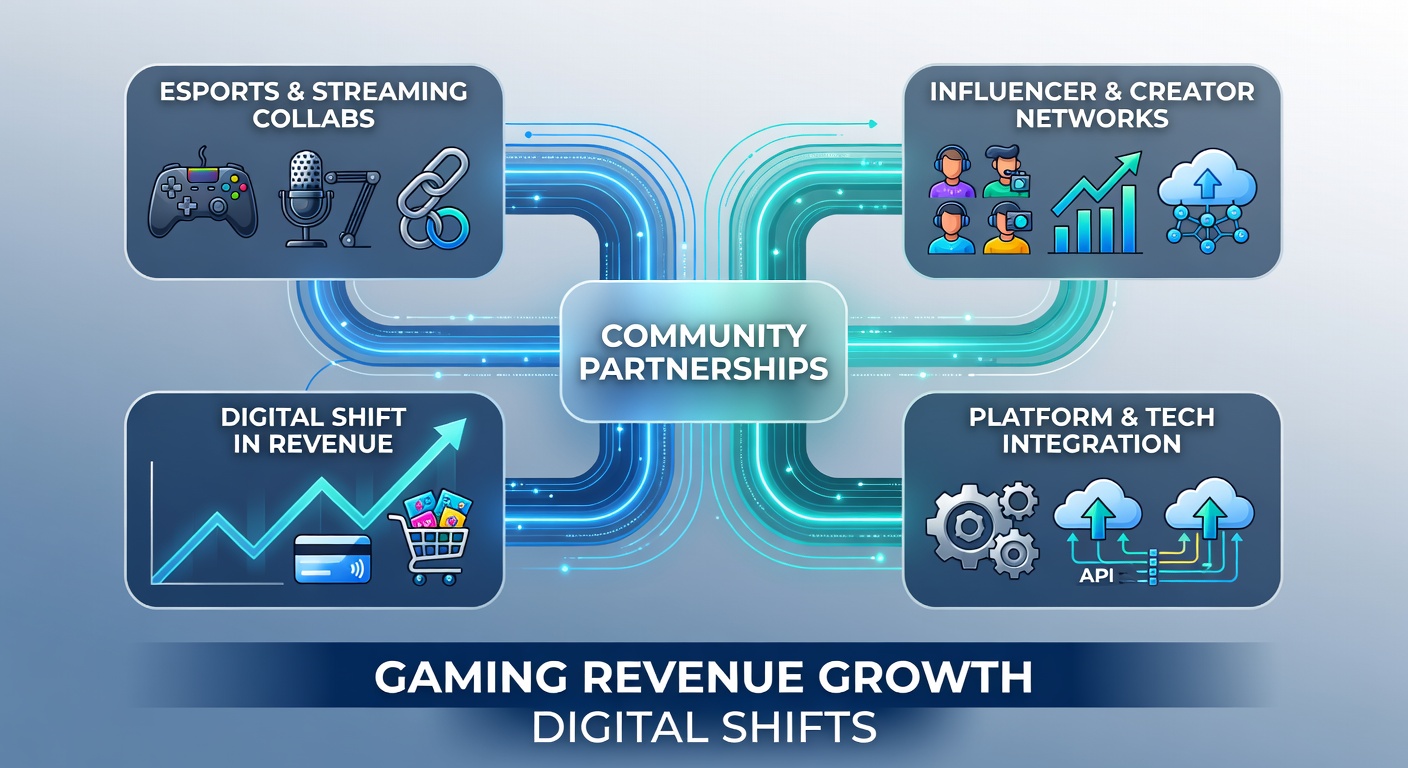
What's interesting is how technology enables more precise tracking of these contributions, allowing communities to verify that funds reach intended projects on schedule. Industry organizations such as the American Gaming Association have documented cases where digital revenue mapping tools helped resolve disputes over fund allocation, leading to smoother renewal of operating agreements. At the same time, academic studies from Australian universities demonstrate that transparent digital reporting increases public trust, which in turn supports policy decisions favoring further expansion of online gaming within partnered frameworks.
Case Examples and Data Patterns
Take one jurisdiction in the Midwest where a tribal nation partnered with a major operator to launch a regional online sportsbook; revenue from teh platform now funds local health clinics and youth education programs, with monthly digital dashboards shared publicly. Similar patterns appear in European markets, where operators work with municipal councils to direct portions of online casino revenue toward addiction prevention services and small business grants. Figures reveal that these integrated approaches have helped stabilize gaming tax collections even as player preferences shift toward digital formats, because community buy-in reduces regulatory friction and speeds approval for new products.
Another example involves a Canadian province that updated its gaming framework in early 2026 to require digital operators to map revenue contributions geographically, ensuring rural communities receive proportional support from statewide online activity. Those who've studied these systems note that the combination of partnership agreements and digital transparency tools creates feedback loops, where community input directly influences product development and marketing strategies. This dynamic helps operators anticipate regulatory changes and maintain consistent revenue growth despite market fluctuations.
Conclusion
Overall, mapping community partnerships alongside digital revenue shifts provides a clearer picture of how the gaming industry sustains growth while meeting local expectations. Regulatory bodies across different regions continue to refine requirements for fund allocation and reporting, and operators respond by investing in technologies that make these processes efficient and verifiable. As data collection improves, stakeholders gain better insight into which partnership structures deliver the strongest economic returns for both companies and communities, setting the stage for further evolution in the sector.