Regulatory Frameworks Reshaping Niche Gaming Innovations in Emerging Markets
Devon Hartmann · May 24, 2026
Regulatory Frameworks Reshaping Niche Gaming Innovations in Emerging Markets
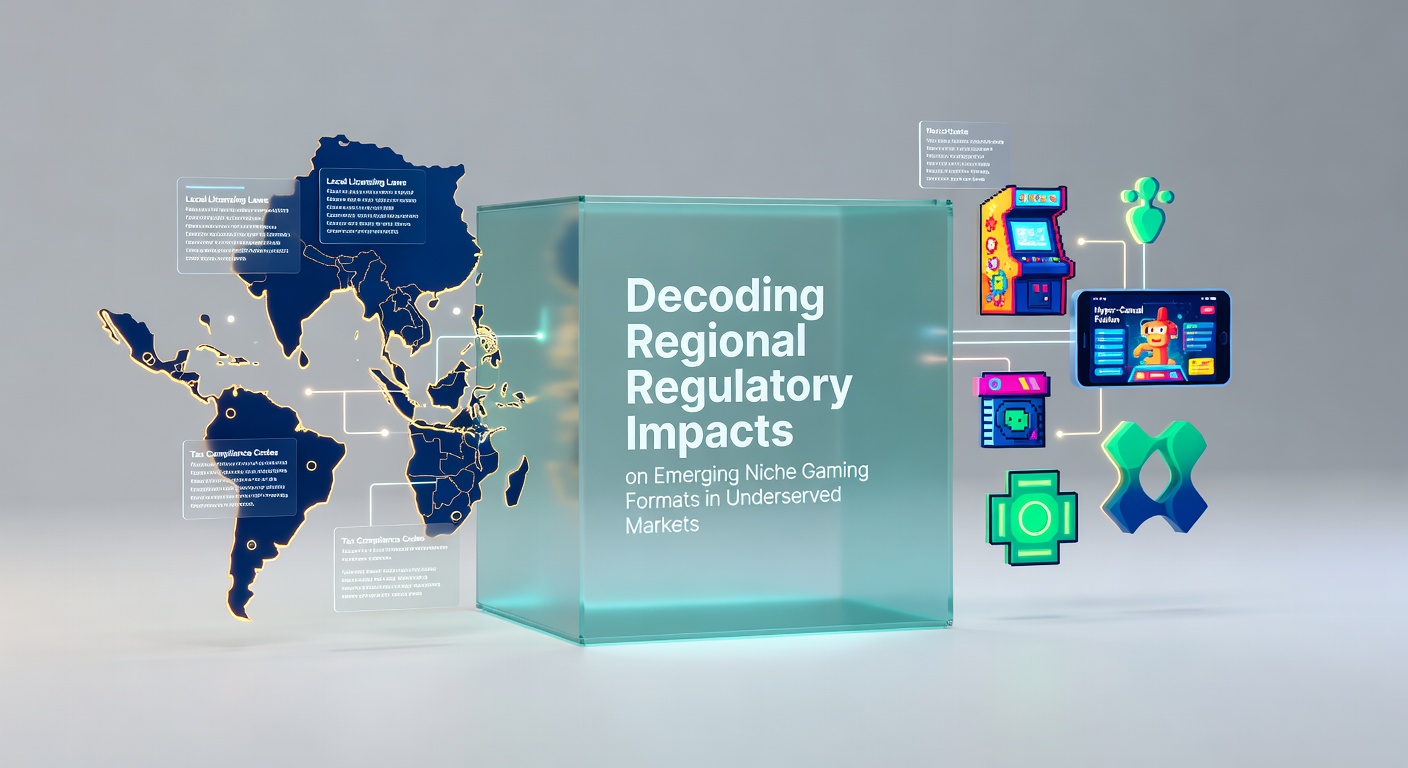
Regional regulations continue to mold how emerging niche gaming formats develop in markets where traditional infrastructure remains limited, and observers note that these rules often determine whether skill-based mobile games or location-specific interactive formats gain traction at all. Data from various government agencies show that jurisdictions in Latin America and parts of Africa apply licensing requirements that favor formats blending elements of chance with demonstrated player skill, whereas Southeast Asian regulators tend to prioritize revenue-sharing models that affect deployment speed.
Defining Emerging Niche Formats in Context
These formats typically include hybrid skill-chance games delivered through mobile platforms, augmented reality experiences tied to local events, and community-driven tournaments that operate outside conventional casino structures. Researchers at academic institutions have documented growth in such offerings where broadband expansion meets populations previously excluded from regulated entertainment options, and figures reveal adoption rates climbing steadily through early 2026 as device penetration increases.
Regulatory bodies in different regions impose distinct approval processes that shape product design from the outset. One study from Canadian regulators highlighted how Ontario's framework requires transparent probability disclosures that encourage developers to emphasize measurable skill components, while similar requirements in Australian states push for age-verification integrations that raise operational costs for smaller operators entering underserved areas.
Key Regional Variations and Their Effects
In several Latin American countries, updated statutes enacted before May 2026 introduced tiered taxation based on game classification, which has led developers to refine formats so they qualify under lower-rate categories. This adjustment allows niche products to reach markets faster when compared with standard offerings, yet compliance documentation adds layers that delay launches in nations with fewer specialized reviewers. Experts tracking these shifts point to mobile skill challenges as one category that benefits directly because local rules often classify them separately from pure chance games.
African regulatory environments present another pattern where national lotteries and gaming authorities coordinate on pilot programs for underserved regions. Data released in May 2026 indicated that select nations expanded sandbox testing for location-based interactive formats, enabling limited rollouts that gather performance metrics before full licensing decisions. Such approaches reduce upfront risk for companies while giving regulators visibility into player protection measures, and observers note the resulting data often informs broader policy updates across neighboring jurisdictions.
Business and Technological Adaptations
Companies operating in these spaces frequently adjust backend systems to accommodate varying reporting standards, with real-time auditing tools becoming standard in markets that demand frequent compliance submissions. Industry reports show that platforms capable of modular rule engines gain advantages when expanding across borders, since a single codebase can toggle features according to each region's current statutes. This flexibility proves especially useful in Southeast Asia, where certain provinces update technical specifications multiple times per year.
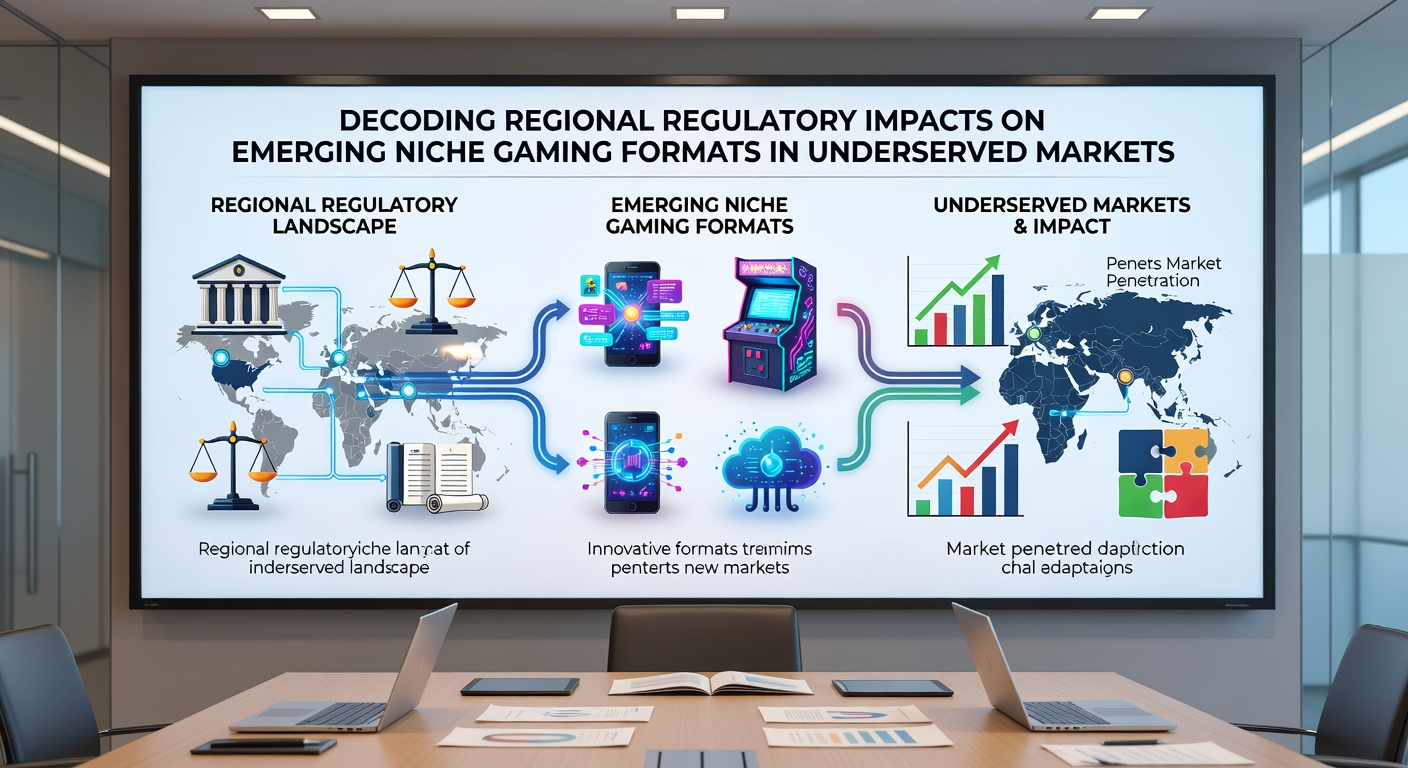
Partnerships with local infrastructure providers have become common as well. In regions where payment processing remains fragmented, developers integrate region-specific wallets that satisfy both financial regulations and gaming oversight simultaneously. Evidence from trade associations indicates these collaborations accelerate market entry while helping smaller operators meet responsible gaming mandates that larger international entities already handle through established systems.
Future Trajectories Through Mid-2026
Policy discussions scheduled for later in 2026 suggest continued focus on cross-border data sharing among regulators, which could standardize certain player verification protocols across underserved markets. Those following these developments expect niche formats that incorporate educational or community elements to receive favorable consideration because they align with broader economic development goals in the regions involved. Continued monitoring of licensing volumes and tax receipts will clarify whether current frameworks sustain innovation or inadvertently favor established players.
Conclusion
Regional regulatory structures exert measurable influence over which niche gaming formats reach underserved markets and how quickly they scale, with variations in licensing, taxation, and technical standards producing distinct outcomes across Latin America, Africa, and Southeast Asia. Information from government sources and industry analyses demonstrates that adaptive product design combined with local partnerships enables continued expansion even as rules evolve, and data through May 2026 points to ongoing refinement rather than wholesale restriction in most jurisdictions.