Slot Innovation Cycles and Their Ties to Casino Industry Evolutions and Player Engagement Patterns
Devon Hartmann · Jul 12, 2026
Slot Innovation Cycles and Their Ties to Casino Industry Evolutions and Player Engagement Patterns
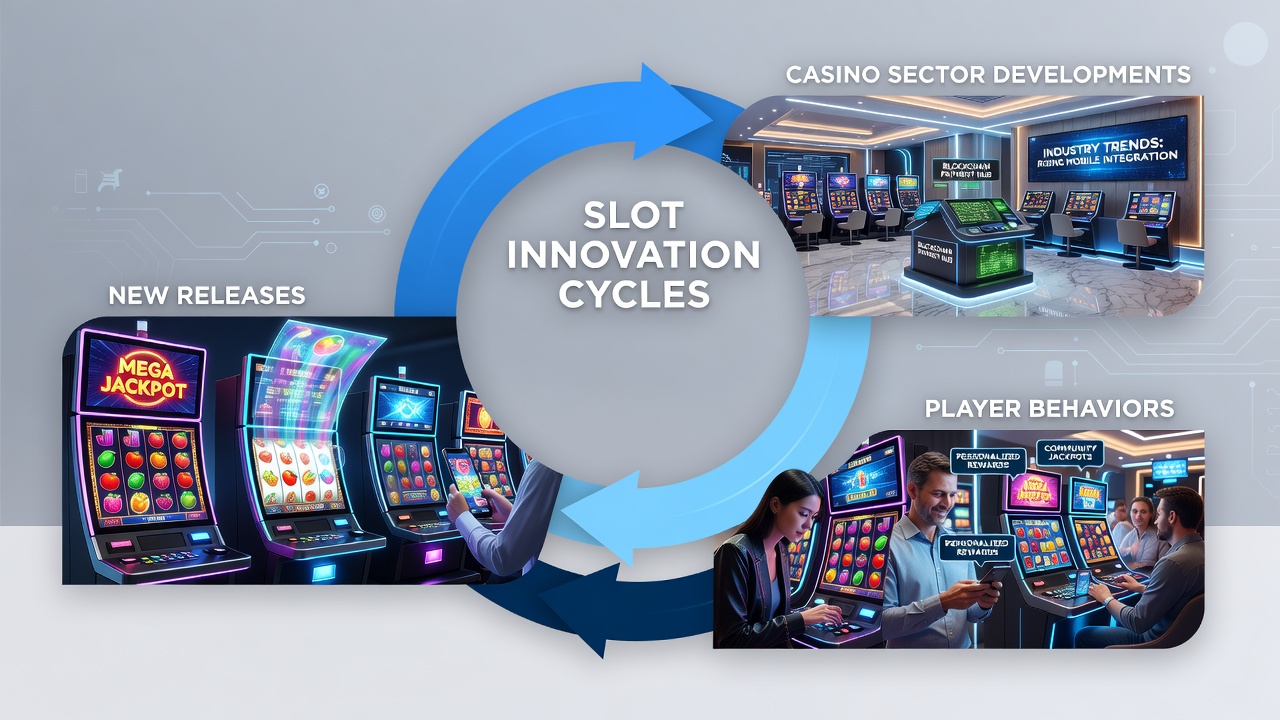
Slot innovation cycles operate as dynamic processes where new game releases align with wider shifts in the casino sector and evolving player preferences, creating feedback loops that drive further development. Observers note that these cycles often emerge from technological advancements combined with regulatory adjustments across various markets, while player data reveals preferences for mechanics that balance entertainment value with engagement duration.
Tracing the Development of Slot Features Through Industry Milestones
Early mechanical slots gave way to electronic versions in the late twentieth century, and digital platforms accelerated the pace of change by the early 2000s. Data shows that the introduction of video slots with multiple paylines coincided with the expansion of land-based casino floors in regions such as Nevada and Atlantic City, where operators sought ways to attract longer visitor stays. Those who've studied these patterns point out that each wave of hardware upgrades, from reel-based systems to touch-screen interfaces, corresponded with measurable increases in average session lengths reported by casino management groups.
By the 2010s, software providers began incorporating thematic elements drawn from popular media, and this trend reflected broader entertainment industry crossovers. Research from the American Gaming Association indicates that themed content helped casinos differentiate their offerings amid growing competition from online platforms, while player tracking systems documented higher retention rates for games tied to recognizable franchises. And the integration of progressive jackpots across networks further connected individual machine performance to collective industry revenue streams.
Player Behavior Data Shaping Release Strategies
Analytics platforms now capture detailed metrics on spin frequency, bet sizing, and feature activation, allowing developers to adjust volatility levels and bonus structures accordingly. Figures reveal that players in mobile-first markets tend toward shorter sessions with higher interaction rates, prompting releases optimized for portrait orientation and quick loading times. Those monitoring these behaviors across demographics observe distinct patterns: younger audiences favor narrative-driven mechanics, whereas established players often select titles with familiar math models that emphasize steady returns.
Seasonal data collection around major events demonstrates how external factors influence engagement, such as increased play during holiday periods or sports tournaments. This information feeds back into development pipelines, where teams refine reel layouts and symbol interactions to match observed habits without altering core probabilities. What's significant is that aggregated reports from multiple jurisdictions highlight consistent correlations between feature complexity and time-on-device measurements.
Linking New Releases to Regulatory and Market Expansions
Regulatory updates in various territories create openings for specific innovations, such as skill-influenced elements or responsible gaming tools integrated directly into gameplay. In July 2026, several North American operators reported accelerated deployment of games with built-in session reminders following updates to compliance frameworks, and these adjustments aligned with sector-wide pushes toward transparency. Industry organizations note that similar alignments occurred in Australian markets where new licensing requirements encouraged the adoption of real-time reporting features within slot software.
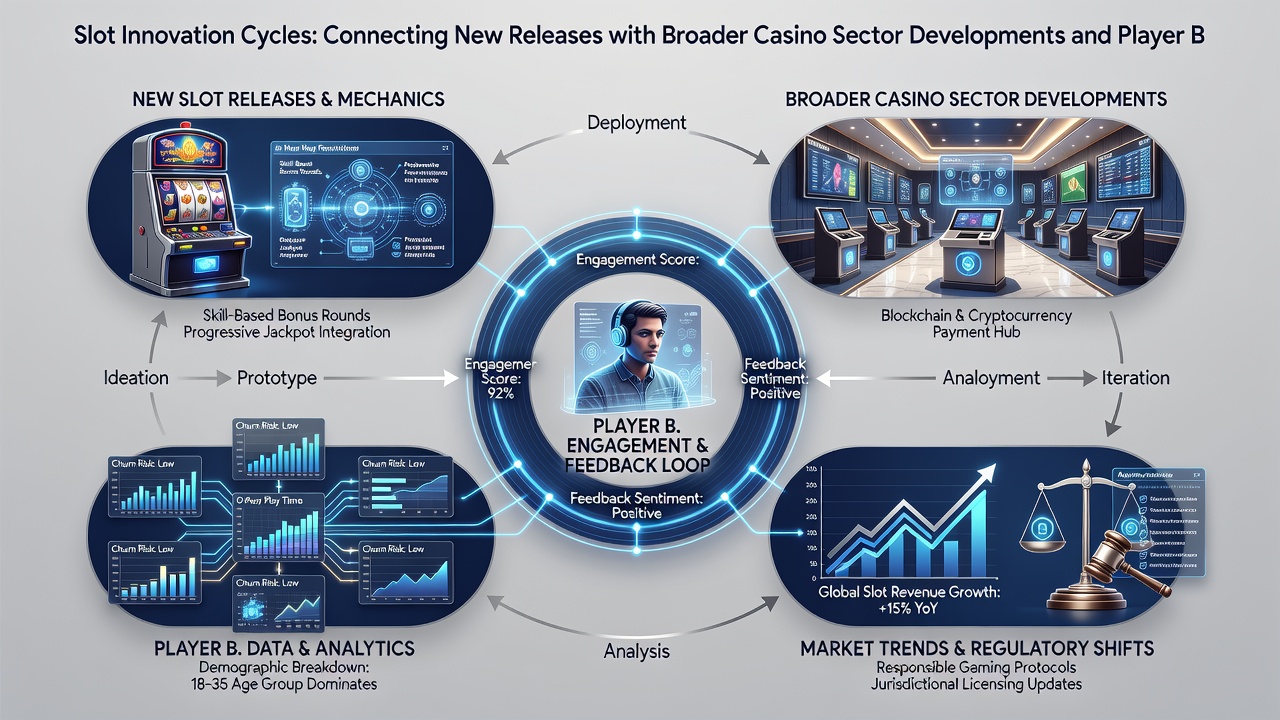
Market expansions through online legalization further tie release cycles to infrastructure developments, including payment processing advancements and cloud-based distribution. European Casino Association analyses connect the rollout of localized content libraries with rising participation rates in previously restricted areas, while developers respond by producing modular games that adapt across regulatory environments. This approach reduces adaptation timelines and allows simultaneous launches that capitalize on synchronized marketing efforts.
Case Examples of Interconnected Trends
One documented instance involves the rapid adoption of cluster-pay mechanics following widespread availability of high-definition displays in casino venues, where player feedback indicated preference for visually dense outcomes over traditional line-based systems. Another pattern emerged when live tournament integrations appeared alongside mobile app enhancements, enabling remote participation that mirrored on-site experiences and broadened access during periods of venue capacity limits. Observers note these examples illustrate how technical capabilities intersect with behavioral data to sustain innovation momentum across both physical and digital channels.
Additional examples include the incorporation of narrative progression systems in response to data showing extended play when story elements unlock gradually, and the synchronization of jackpot networks with major sporting calendars to leverage cross-audience interest. Each case demonstrates measurable impacts on sector metrics such as handle per unit and repeat visit frequency.
Conclusion
Slot innovation cycles continue to function through ongoing exchanges between technological possibilities, regulatory landscapes, and documented player patterns, with each element informing the next phase of releases. Industry reports emphasize that sustained monitoring of these connections supports stable growth across casino operations, while future alignments will likely build on current data infrastructures to refine responsiveness even further. This interconnected framework remains central to how new games enter and perform within evolving market conditions.