Smartphone Design Shifts Extending Time Spent on Digital Casino Applications
Finley Fischer · Jun 3, 2026
Smartphone Design Shifts Extending Time Spent on Digital Casino Applications
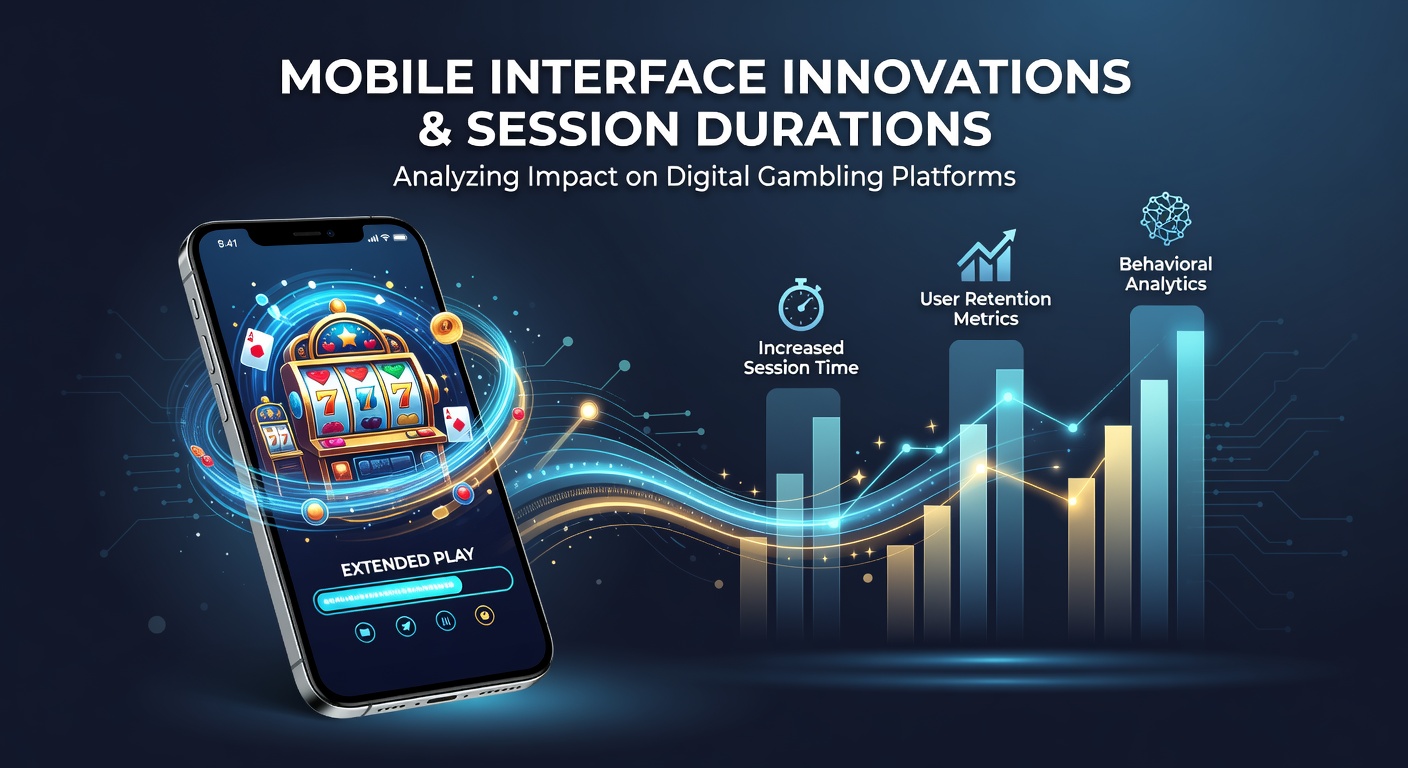
Digital gambling platforms continue adapting their mobile interfaces through targeted updates that reduce friction points and maintain user attention across extended periods, with data from industry reports indicating measurable changes in average session lengths. Observers note that features such as gesture-based controls, adaptive layouts, and predictive loading sequences allow users to transition between games without repeated interruptions, which correlates with longer continuous engagement according to aggregated platform analytics.
Core Interface Elements Driving Engagement Patterns
Developers integrate swipe navigation and one-tap access points that streamline movement between game lobbies and account sections, while those who've studied app performance metrics find these adjustments cut initial load times by noticeable margins. Research from academic sources shows that interfaces incorporating real-time personalization, where content adjusts based on prior selections, lead to sustained interactions because users encounter fewer decision pauses during play sequences. In June 2026 platform data revealed incremental rises in session durations across several markets, coinciding with widespread rollout of these streamlined designs.
Dark mode implementations and adjustable brightness controls further contribute by minimizing eye strain during nighttime usage, allowing sessions to extend without external prompts to pause. Experts have observed that such visual optimizations pair with background audio persistence, where sound continues across screen transitions, creating continuity that supports prolonged activity without deliberate breaks.
Data Trends Across Regions and Platforms
Figures from regulatory bodies in Australia and Canada demonstrate consistent patterns where updated mobile interfaces coincide with average session increases of 15 to 25 percent over prior quarters. Those monitoring usage statistics report that platforms employing AI-assisted recommendation systems see users exploring additional titles within single sessions, since suggestions appear contextually rather than through separate menus. This integration reduces the cognitive load associated with choosing next activities, according to findings from university-led studies on digital behavior.
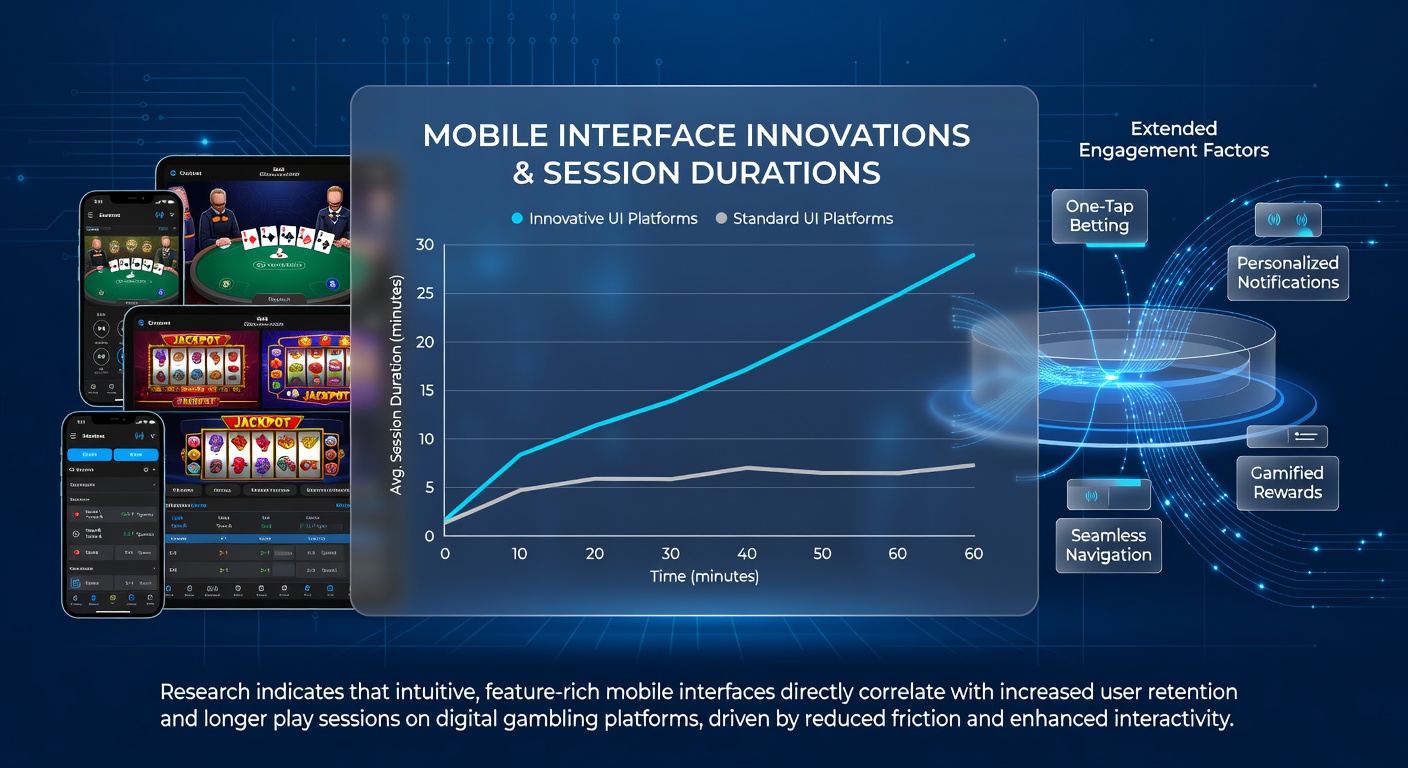
European trade associations tracking igaming metrics highlight similar outcomes in markets where interface refinements include haptic feedback during key events, such as wins or bonus triggers. The tactile responses reinforce user focus and encourage continued participation because physical cues complement visual elements without requiring screen checks. Data indicates these combined sensory features extend dwell times particularly in slot-style games that benefit from rapid successive spins.
Technical Mechanisms Behind Prolonged Usage
Progressive web app frameworks enable seamless updates without full reloads, which means users remain in active states longer while new content integrates automatically. Researchers discovered that caching strategies for game assets play a direct role here, since downloaded elements load instantly on return visits and eliminate wait-related drop-offs that previously shortened sessions. Industry organizations note that these backend improvements, when paired with front-end innovations like collapsible menus and floating action buttons, create environments where navigation feels intuitive rather than segmented.
Accessibility enhancements such as voice command options and scalable text also broaden usability for diverse audiences, leading to higher retention across varied demographics. Evidence suggests that platforms prioritizing these elements report fewer early exits because users with different interaction preferences find consistent pathways through the interface.
Conclusion
Interface advancements in mobile gambling applications continue shaping session behaviors through practical design choices that prioritize flow and minimal disruption. Data from multiple regulatory and research entities confirms these modifications align with extended engagement periods, while technical refinements sustain momentum once users begin interacting. Patterns observed through June 2026 and beyond point to ongoing evolution in how platforms structure digital experiences to match user habits.