Tracking Shifts in Gambler Preferences From Digital Platforms to Resort Destinations
Devon Reed · Aug 26, 2026

Tracking Shifts in Gambler Preferences From Digital Platforms to Resort Destinations
Player movement between online gaming sites and physical casino resorts has drawn attention from analysts who track behavioral data across multiple regions, and recent figures show measurable patterns emerging since the expansion of mobile gaming options. Researchers at academic institutions have compiled datasets that reveal how users alternate between virtual environments and destination properties, often starting with digital trials before committing to travel plans for places like Las Vegas or Macau.
Data Patterns in Player Movement
Studies compiled through 2025 indicate that approximately 35 percent of frequent online participants visit at least one resort location annually, while a smaller subset reverses the flow and reduces physical visits after prolonged digital engagement. Figures released by the Nevada Gaming Control Board highlight steady increases in resort foot traffic from players who previously registered on licensed platforms, with cross-referenced accounts showing coordinated reward programs that bridge both formats. Observers note these connections often involve loyalty points earned digitally that convert into resort credits, creating measurable incentives for migration during peak seasons.
But here's the thing: migration does not follow a single direction. Data from Canadian provincial regulators shows some resort regulars now allocate more time to online sessions during off-peak months, particularly when travel costs rise. This bidirectional pattern appears in reports covering August 2026 projections, where modeling suggests continued growth in hybrid participation if infrastructure for seamless account transfers improves further.
Factors Influencing the Shifts
Accessibility stands out as a primary driver according to industry association summaries, since online platforms remove geographic barriers yet resort destinations offer experiential elements unavailable in digital formats. Economic variables also play roles, with currency fluctuations affecting international travel to places such as Singapore and Australia while digital options remain stable. Those who study transaction logs observe that promotional offers tied to specific events, including sports tournaments or seasonal festivals, accelerate movement toward resorts when combined with travel packages.
Regional Variations in Behavior
European markets demonstrate distinct trends compared with North American ones, where regulatory frameworks in places like Malta and Gibraltar shape platform availability and influence subsequent resort choices. Australian data collected by state gaming authorities reveals higher rates of migration during winter months, when players seek warmer resort climates after extended online play periods. In contrast, Asian resort hubs report inflows from users who first encounter games through mobile apps popular in high-density urban centers.
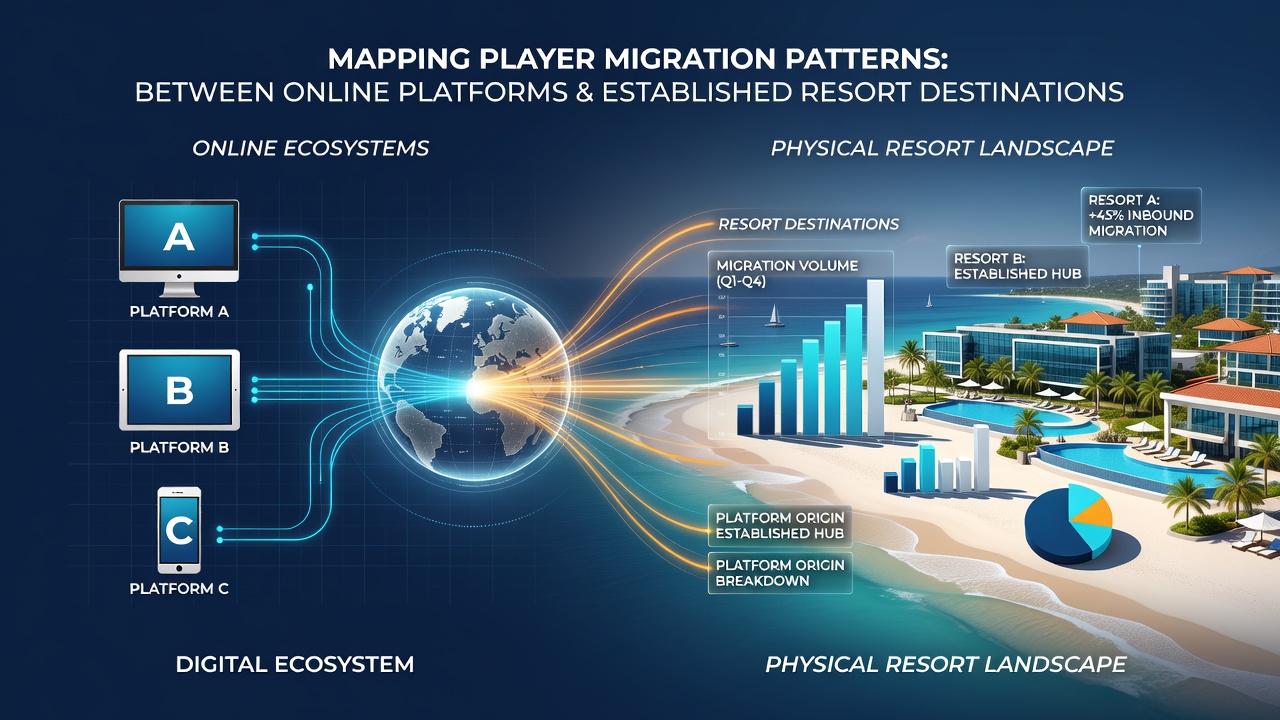
What's interesting is how payment systems facilitate these transitions. Secure transfer protocols now link digital wallets directly to resort accounts at many properties, reducing friction that once discouraged movement. Research papers from university economics departments document reduced abandonment rates when such integrations exist, with examples drawn from properties in Atlantic City that partnered with multiple platforms over the past three years.
Effects on Resort Operations
Resort management teams have adjusted staffing and amenity offerings based on incoming player demographics identified through digital tracking. Properties report increased demand for tech-equipped rooms and hybrid entertainment options that mirror online features, while maintaining core table games and slot inventories. Trade group analyses indicate these adaptations correlate with higher retention among migrated users, particularly those arriving from platforms with strong live-dealer offerings.
Yet the reverse effect appears in some locations where prolonged online engagement correlates with shorter resort stays. Observers at research institutions tracking visitor logs note that certain segments limit visits to weekends or special events rather than extended vacations, shifting revenue models toward concentrated high-value periods.
Future Outlook Through 2026
Projections extending into August 2026 emphasize continued integration between formats, with regulatory bodies in multiple jurisdictions examining unified licensing models that could streamline player movement. Industry reports from gaming associations forecast modest growth in hybrid participation if data privacy standards keep pace with technological advances. Those monitoring global trends point to emerging markets in South America and Africa as potential sources of new migration waves once infrastructure matures.
Conclusion
Mapping these patterns requires ongoing collaboration between data analysts, regulatory agencies, and resort operators who collect and share anonymized statistics. Evidence from diverse regions shows the relationship between online platforms and established destinations continues evolving through technological and economic influences rather than remaining static. Continued documentation of these flows will support informed decisions across the sector as participation habits develop further.